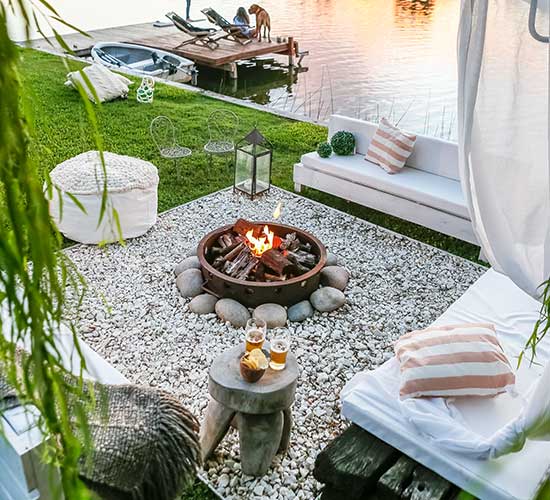

Your backyard can become a warm and inviting place when you use the correct layout. Many people want a yard that feels relaxing and looks beautiful, yet they often feel unsure about where to start. This guide aims to make that easier. You will find simple steps, friendly tips, and ideas that suit a variety of styles and spaces. By using these backyard garden layout ideas, you can create a yard that feels both personal and functional.
You should always think about what you want from your space. Do you want a quiet area to read? Do you want a place where kids can play? Or do you want a small food garden? When you explore your options, you gain clarity. This guide will help you see the possibilities and show you how to turn them into simple actions. Each idea explains how it enables you to enjoy your yard more. Let’s break the process into manageable steps you can follow at your own pace.
1. Create Zones for Different Activities
Creating zones is one of the strongest backyard garden layout ideas because it brings order to your space. When you break your yard into zones, you guide how people move and use the area. This helps you make wise choices that give each part of the yard a clear purpose.
Why zoning helps you
- It reduces clutter because each part has a job.
- It helps your yard feel larger, even when it’s not.
- It makes planning much easier.
For example, you can set up a quiet corner with two chairs and some shade plants. Then place a play area away from the garden beds so kids can enjoy the yard without harming the plants. You can even add a small dining zone with a table and simple lighting.
A helpful way to think about zones is to start with this question: “What moments do I want to enjoy in my yard?” When you answer that, your layout becomes clear. Adding soft borders, such as small shrubs or stones, can help mark each area without closing off the space.
2. Use Curved Paths to Add Movement
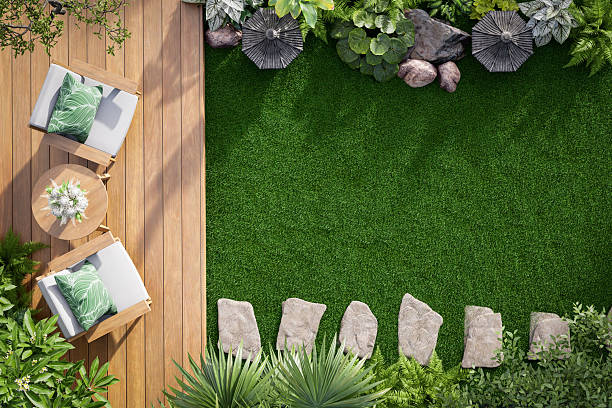
Curved paths guide the eye and add gentle flow. They break the yard into soft shapes, making it easier for people to move. You avoid sharp turns, and your space feels calmer. This is also a great way to place plants.
“A simple path can change how you feel in a space.” Experts say that natural movement patterns improve comfort and encourage exploration.
You can make a path with gravel, wood slices, or stepping stones. Keep the shapes wide enough for walking but soft enough to look natural.
Paths also keep shoes off the soil, which protects plant roots. As you plan these soft curves, think about where you want guests to walk first. That helps you shape a friendly path that fits your yard. Adding small lights along the edges makes the path easy to follow at night and adds a warm glow.
3. Add Height with Vertical Features
Many yards may feel flat, but you can improve the appearance by adding height. Vertical features draw attention upward and give your garden a strong focal point. They also help you use small spaces more wisely.
Popular vertical backyard garden layout ideas include:
- Tall planters
- Simple trellises
- Hanging baskets
- Slim plant towers
Adding height creates layers. These layers make the space feel full but not crowded. Vertical features help support the growth of beans, cucumbers, and climbing flowers. Plus, you add beauty without needing a large garden bed. You can even shift these features throughout the year to keep your garden fresh. For example, add flowering vines in spring and food crops in summer.
4. Build a Simple Focal Point
Focal points anchor your space. They draw attention and help your yard feel balanced. Without a focal point, your eyes may wander, making the space feel cluttered and busy. But with one clear feature, everything looks calmer.
A focal point can be anything that stands out without overwhelming the rest of the garden. Here are a few ideas:
- A single large plant
- A birdbath
- A minor water feature
- A bench under a leafy tree
“Your eye needs a place to rest.” Designers often utilize this concept to create serene, inviting layouts.
When choosing your focal point, consider the view from your back door. That gives you the best chance of picking something you will enjoy every day. You may also want to light the focal point at night to create a soft, warm glow.
5. Mix Colors for a Strong Visual Effect
Color plays a significant role in backyard design. When you blend colors correctly, you shape the space’s feeling. Some colors calm you. Others bring energy. Think about what mood you want. Warm colors, such as red, orange, and yellow, make the yard feel lively. Cool colors like blue, purple, and green evoke a sense of peace. A brilliant blend gives you a friendly balance.
Simple color tips
- Use one primary color and two smaller accent colors.
- Place bold colors near seating areas to add interest.
- Use soft tones near paths for a relaxed look.
Color choices also affect how large or small a space feels. Light colors make small areas feel wider. Dark colors make big spaces feel cozy. If you mix colors with care, your yard becomes visually rich without feeling crowded. You can also rotate seasonal plants to keep colors fresh throughout the year.
6. Try Raised Garden Beds for Better Control
Raised beds are one of the most useful backyard garden layout ideas because they help you manage soil, water, and plant spacing. When you use raised beds, you gain control over the structure of your garden. They also keep weeds low.
Raised beds:
- Support healthy roots
- Improve drainage
- Help you reach plants more easily
You can build them from wood, stone, or metal. Keep each bed narrow enough so you can reach the center without stepping inside. When beds sit in neat rows or soft shapes, the yard feels more organized. Raised beds also help new gardeners because they make planting direct.
7. Add Seating Areas That Invite Rest
Many people overlook seating, but it shapes how you use your yard. When you add seats in the right places, you create areas for rest, reading, or sharing a meal.
Even a small space can hold a cozy seating area if planned well. Try placing chairs near shade plants or along a curved path. Consider the morning and evening sunlight to determine the best spot.
Using a mix of seat types works well:
- Two small chairs for conversation
- A bench for quiet moments
- A stool near garden beds for breaks
Seating also gives the garden purpose. It encourages you to spend time outdoors. And when people sit, they notice flowers, scents, and birds more slowly. You can also add cushions, outdoor rugs, or a small table to make the area more inviting. If you place seating near fragrant plants, the space feels even more calming. These simple touches help turn your yard into a place you want to spend more time in.
8. Use a Simple Table to Plan Your Layout
Sometimes planning feels easier when you can compare backyard garden layout ideas. A small table helps you organize what you want and shows you how each part supports your goals.
| Layout Feature | What It Adds | Benefit |
| Curved Paths | Flow and easy movement | A friendlier, softer layout |
| Raised Beds | Structure and better soil | Stronger plant growth |
| Focal Point | Balance and interest | A calm, tidy look |
This chart shows why a garden layout matters. It breaks down how each idea guides the space and how it enables you to enjoy the yard more.
Using tables like this also keeps planning straightforward. When you compare features side by side, your decision-making process becomes easier. You can even make a version of this table with your own notes as you explore ideas. Writing things down helps you understand which features support the feel you want. With this simple method, planning becomes less stressful and more enjoyable.
Final Thoughts
Your backyard can grow into a place that feels warm, useful, and full of life. When you apply these ideas, you create a space that supports the way you want to live. As you move forward, think about what moments matter to you most. For more helpful guides, you can visit Every Home Improve. Then build a layout that promotes those moments in simple, friendly ways.
You may also find that small changes have the greatest impact. Even adjusting plant placement or adding a soft path can alter the way your yard feels each day. As you explore new ideas, stay curious and patient with the process. Your outdoor space will continue to grow with you.