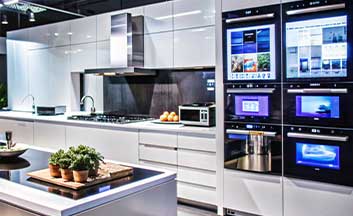

There are often many people in the kitchen. You don’t give much thought to how much energy the things you do use. For example, you cook, clean, heat water, store food, and use different appliances. Even so, these little steps every day add up.
It’s better to save money and protect your home’s resources by knowing which tools use the most power. You can read this blog for clear, straightforward information about energy-consuming kitchen appliances. This way, you can figure out what’s really making your bill go up and what you can do about it. You will find simple advice, helpful hints, and facts that will make you feel good about yourself.
It’s possible to make small changes that have a significant effect once you understand how each device works. These changes don’t require much effort, but they will help you maintain better habits over time.
The Refrigerator: A Constant Power User
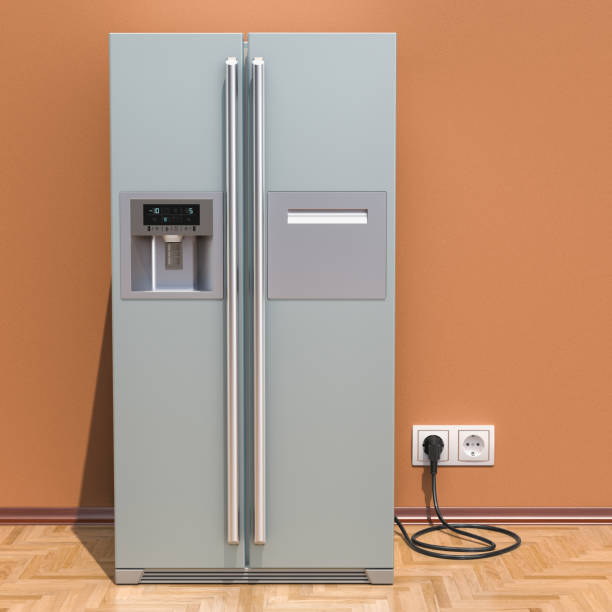
Your refrigerator runs all day. Unlike other tools you turn on and off, this one never rests. That steady work makes it one of the biggest energy-consuming kitchen appliances in your home. For you, this means a steady pull on your bill, even when you are not cooking. Since your fridge runs continuously, even minor inefficiencies can substantially increase your energy consumption. Dust on the coils, poor door seals, or packed shelves can force it to work harder.
Why do Refrigerators Use So Much Power
- They keep food safe by holding a steady temperature.
- They remove heat from inside the unit.
- They fight warm air every time you open the door.
- They cool large spaces filled with food and containers.
You can lower your energy bill with simple habits. Keep the door shut as much as possible. Check the seals. Give your fridge a little space so air can move around it. These small steps help the unit use less power without incurring any additional costs.
2. The Electric Oven and Stove: Heat That Adds Up
Heat requires a significant amount of energy to produce. Your electric oven and stove draw a lot of power to reach high temperatures quickly. For you, this matters because every meal you cook can raise your monthly usage. Even when you cook simple dishes, the heating elements work hard in the background.
“Any appliance that creates heat will always demand more energy than you expect.”
What Affects Energy Use
- Long cook times
- High heat settings
- Frequent preheating
- Opening the oven door often
Consider using lower settings or shorter cooking times when possible. Try cooking several dishes at once. These simple actions help you stay comfortable while spending less. When you plan meals, you also use the oven more efficiently. This delivers better results without wasting extra energy, helping you maintain greater control over your household costs.
3. The Dishwasher: More Than Just Water
The dishwasher feels like a small helper, but its mix of hot water, heat drying, and powerful pumps uses more energy than many people realize. You get cleaner dishes with less effort, but you also pay for that comfort by using more energy. Many people are unaware that the water-heating process alone accounts for a significant portion of the machine’s energy consumption.
Where the Energy Goes
- Heating water
- Running the spray arms
- Drying cycles
- Maintaining water pressure for long cycles
Run full loads. Skip heat drying. Choose eco cycles. These easy steps help lower costs and protect your appliance. They also provide more value with every wash. When you combine these habits with shorter cycles, you reduce wear and tear, saving even more energy. This keeps the machine working well and helps your dishes come out just as clean with less effort.
4. The Microwave: Small but Still a Factor
Microwaves are fast and easy, which makes them feel cheap to run. They use less power than stoves, but they still draw energy when used often. This matters to you because quick reheats can become more costly when they happen several times a day. Many people rely on microwaves for snacks or to warm leftovers, which can add up to significant energy use without them noticing.
How Microwaves Compare
| Appliance | How Much Energy Does It Use | What It Means for You |
| Microwave | Medium | Good for quick meals, but it adds up with constant use |
| Oven | High | Strong heat leads to higher bills |
| Toaster Oven | Medium-low | Uses less power for small meals |
Use your microwave for small tasks. It is one of the easier energy-consuming kitchen appliances to manage. Simple choices help you save while staying comfortable. Try reheating larger portions at once rather than small portions many times. This helps reduce repeated energy spikes and keeps your routine simple while still lowering your overall usage.
5. The Coffee Maker and Small Cooking Gadgets
Your kitchen may have many small tools that run daily. Each one may not use much energy on its own, but together they can raise your bill. This matters to you because small habits can lead to significant savings. These gadgets often remain plugged in, which means they draw standby power even when not in use.
Daily Devices That Add Up
Many homes use:
- Coffee makers
- Toasters
- Blenders
- Air fryers
- Electric kettles
These devices may seem harmless, but frequent use increases energy demand. Turning them off after use gives you more control over your device. You get the comfort you enjoy without waste. When you unplug them or use power strips, you prevent small electrical leaks that build up over time. These actions can help you feel more in charge of your kitchen’s daily habits.
The Range Hood and Vent: Quiet Yet Important
While the range hood does not heat or cool, it still uses energy to pull air from your kitchen. The motor and lights run together, and over time this adds to your monthly use. Even though it is not the strongest of the energy-consuming kitchen appliances, it still contributes to your overall cost. Many people overlook the hood because it seems like a simple add-on, but it can still affect your bill.
How It Uses Energy
- Fan pulls hot air out
- Lights run during cooking
- Long cook times make it run longer
- Grease buildup makes the fan work harder
Use the fan only when needed. Turn off the lights when you finish cooking. Small steps help lower energy costs and make your kitchen more comfortable. Cleaning the filter also allows the fan to work more efficiently. When the hood operates smoothly, it improves air quality and saves energy.
The Water Heater: Hidden Yet Powerful
Your water heater, situated out of sight, yet it affects almost everything in the kitchen. It powers dishwashing, cooking prep, and cleaning. Because it works behind the scenes, it becomes one of the largest energy users in your home. Many people are unaware of the significant amount of hot water that flows through their daily routines.
“Hot water may feel simple, but every warm rinse comes with an energy cost.”
Lower water temperatures help reduce energy use. Shorter hot-water tasks help too. These easy habits give you comfort while lowering your bill. When you fix leaks or insulate pipes, you also protect your water heater from having to work too hard. This adds more savings while helping you keep a steady flow of warm water only when needed.
The Freezer: Cold Storage with High Demand
Freezers work harder than fridges because they must keep things far colder. This matters to you because the more items you freeze, the more power your freezer uses. Freezers run more frequently when the door remains open for too long or when warm foods are added often.
Why Freezers Use Lots of Energy
- They remove more heat to reach low temps
- They work harder when overfilled
- They run more often in warm spaces
- They use extra power when frost builds up
Keep the freezer organized. Avoid blocking air flow. Please place it in a cool area. These simple steps help the unit function more efficiently and save money. When you label food and avoid unnecessary door openings, you allow the freezer to maintain its temperature stability. This reduces energy waste and keeps your stored food safe and easily accessible.
Sum Up
Knowing which cooking appliances use the most energy can help you take control of your home’s energy consumption. No matter what you do, it can help lower your price and reduce waste. You can save a significant amount of power without sacrificing comfort or convenience by making a few simple changes. You can find more useful tips at Every Home Improve. By following these habits every day, you can make your home feel more manageable and save money. These steps also make you feel better about your choices because you know what really changes how you use it. These helpful habits can help you build a more comfortable, steady, and thoughtful schedule that enables you to reach your goals over time.